Poland /May 14 - 17
Outdoor and Regenerative Education in Practice
This programme focuses on strengthening teachers’ knowledge and practice in outdoor education, community building, alternative education, and the design of meaningful learning spaces for children.
The project, partly funded by the Erasmus program, creates a collaborative space for practitioners to exchange experiences, knowledge, and innovative approaches across countries and diverse educational contexts.
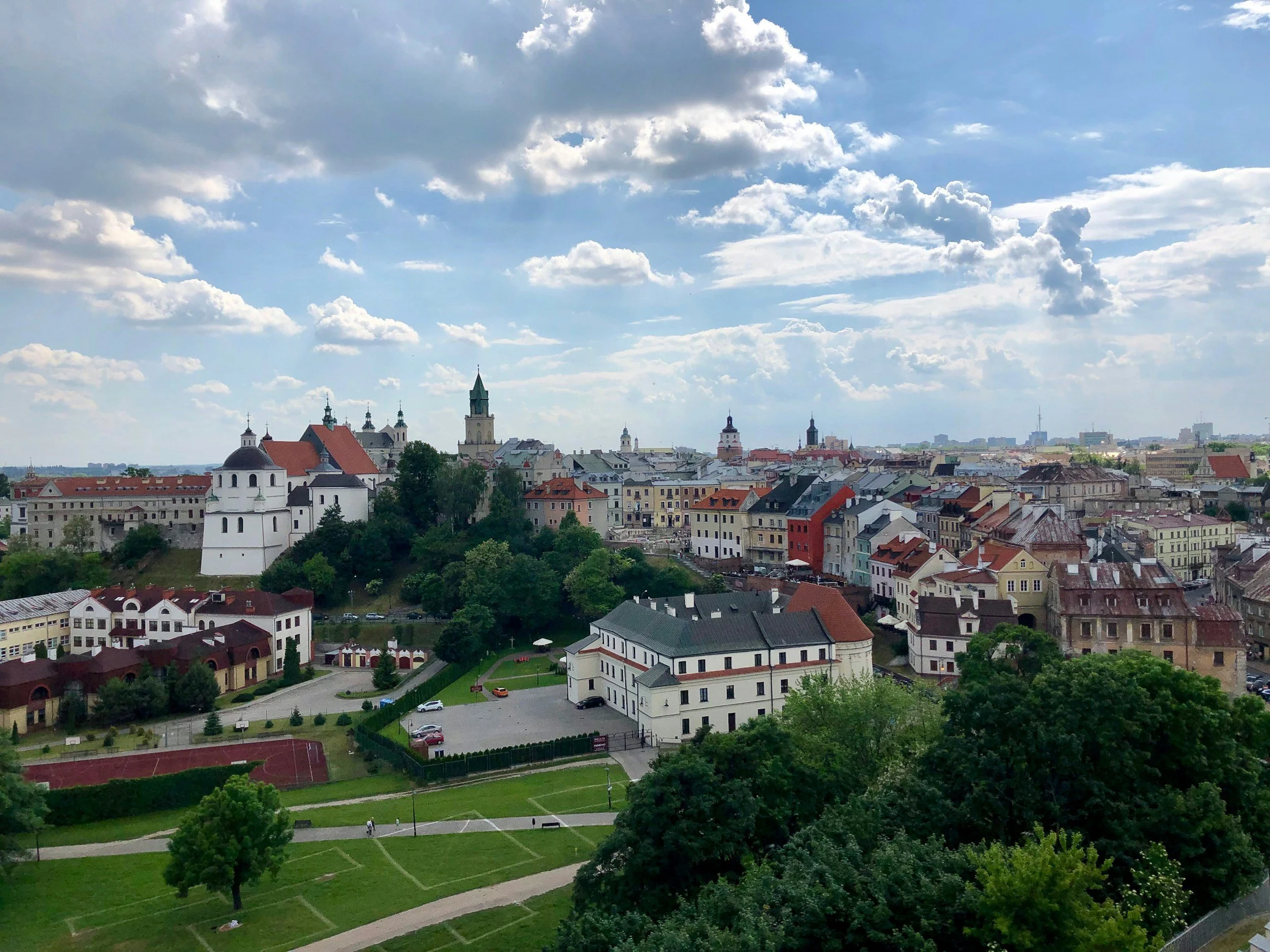
In collaboration with an institution and a university from Lublin, Poland — a historic, vibrant academic and cultural city in eastern Poland — we will establish an international learning community that benefits both Iceland and Poland.
Lublin is the largest city in eastern Poland, known for its rich cultural heritage, thriving educational environment, and long tradition as a hub of learning and exchange with over a dozen universities and a large student population. It has been a centre of multicultural dialogue for centuries, blending history, innovation, and international cooperation.
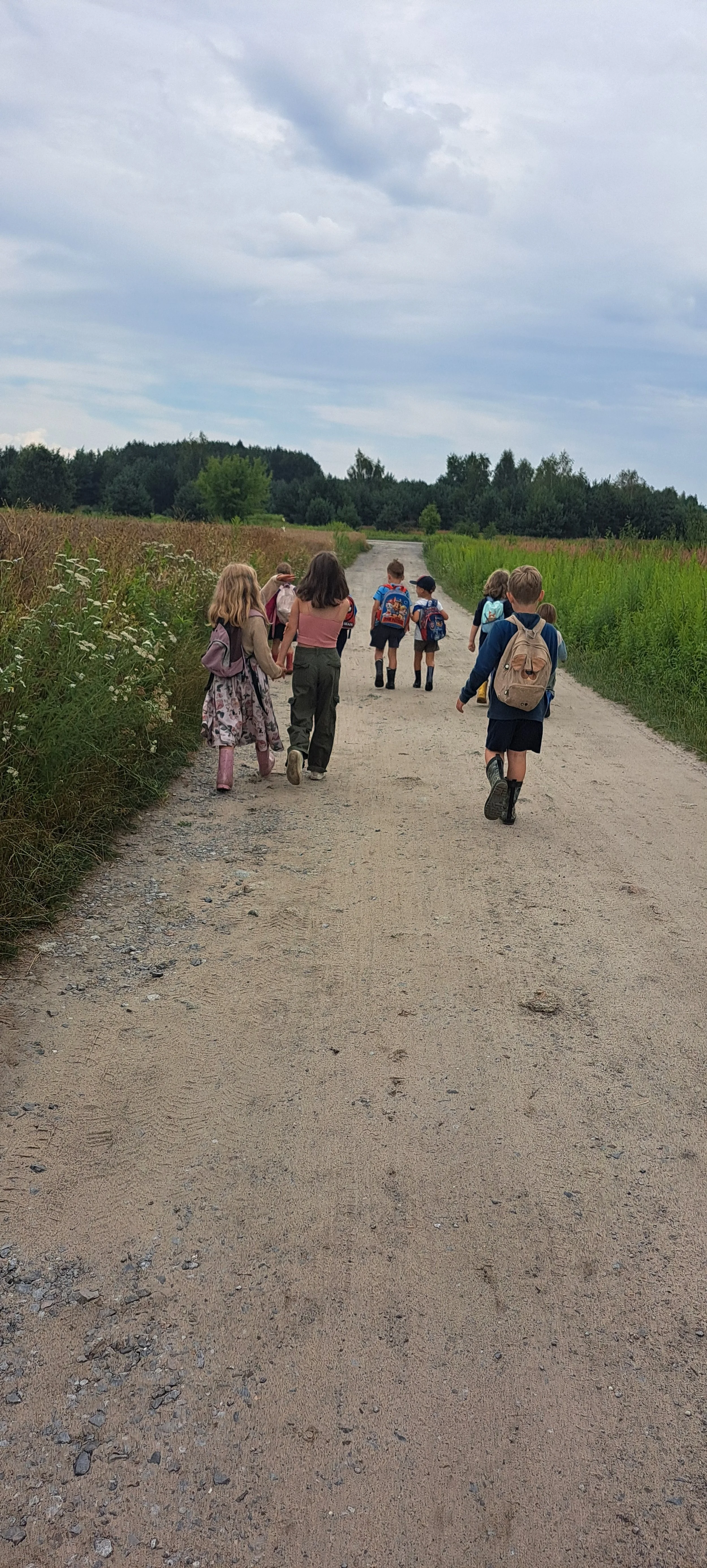
Participants will take part in hands-on learning experiences focused on creating outdoor environments for children that support learning about nature, strengthen resilience, and nurture a healthy relationship with the natural world.
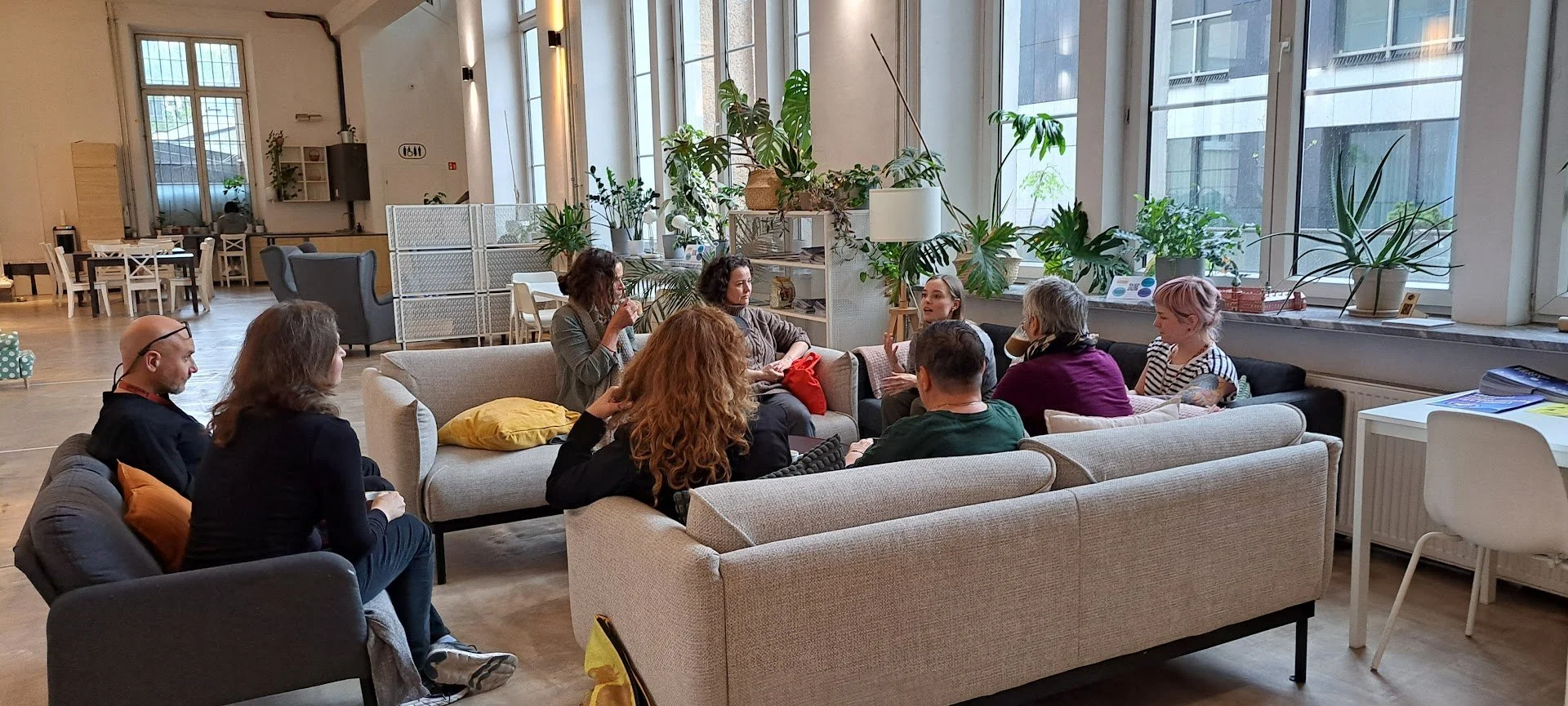
The program also offers space for practitioners to exchange knowledge, share experiences, and collectively build a vibrant learning community.
What Teachers Will Gain
Strengthened professional practice in outdoor education, alternative education, and the design of meaningful learning environments for children
Practical, hands-on experience in creating outdoor spaces that support nature connection, resilience, and wellbeing
New tools and approaches for fostering healthy relationships between children and the natural world
Enhanced skills in community building, both within educational settings and across professional networks
Opportunities to exchange knowledge and experiences with practitioners from different countries and educational contexts
Exposure to innovative educational practices supported through the Erasmus Programme
Participation in an international learning community connecting educators from Iceland and Poland
Collaboration with educational institutions and a university in Lublin, a historic centre of learning, multicultural dialogue, and academic exchange
Broader perspectives on education through cross-cultural dialogue and shared reflection
Long-term professional connections that support continued learning, inspiration, and collaboration beyond the programme
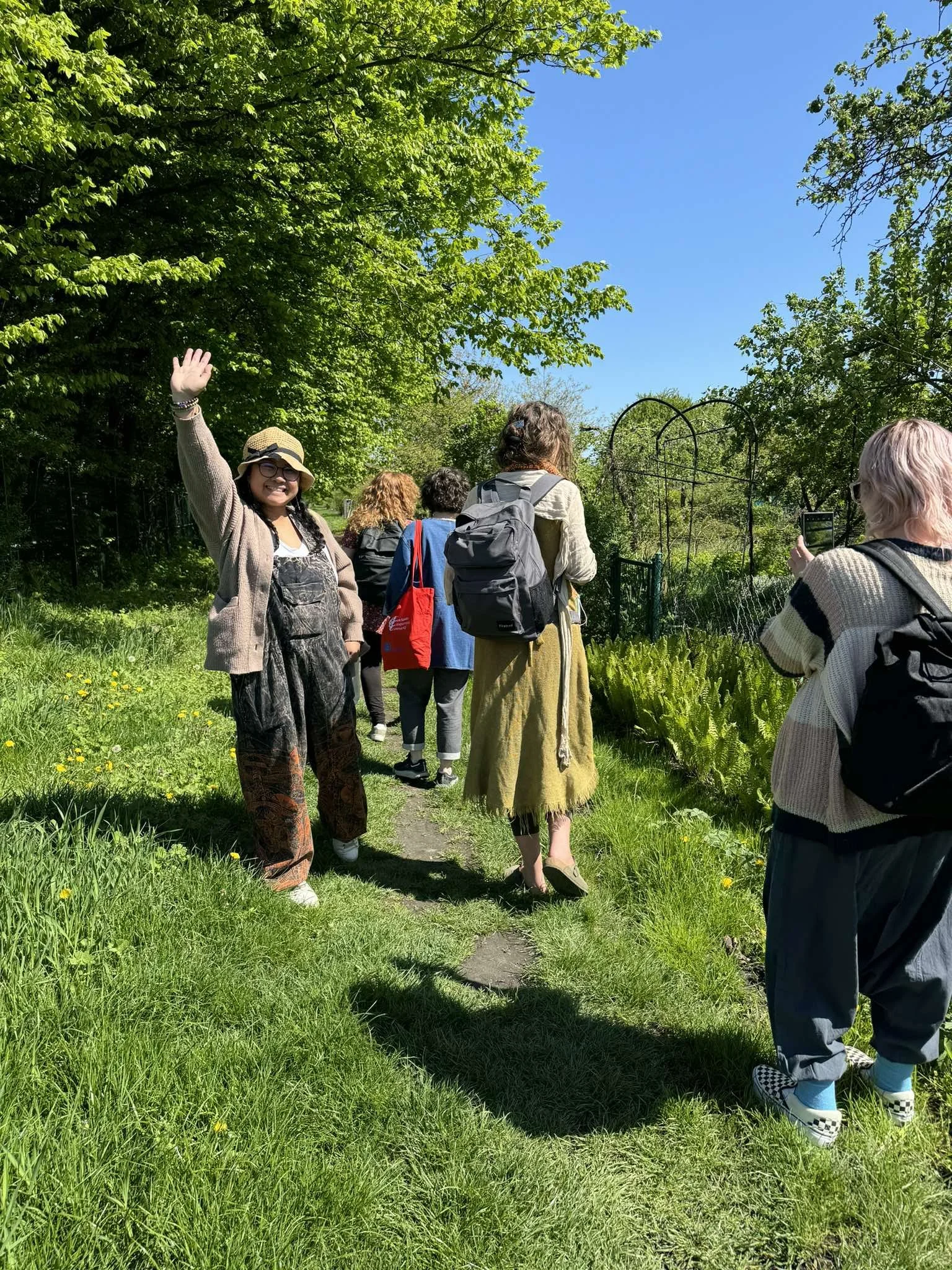
Day 1 – Friday 14
Arrival, grounding & shared context
14:00–16:00 Arrival & check-in
16:00–17:00 Opening circle
Welcome
Introductions
Intentions & framing the learning journey
17:00–18:30 Keynote session
Outdoor and regenerative education: foundations & practice
18:30–19:30 Dinner (bring your own / shared meal)
19:30–21:00 Evening circle
Connection, reflection & informal knowledge sharing
Day 2 – Saturday 15
Practice, hands-on learning & exchange
09:00–09:30 Morning grounding & nature connection
09:30–11:30 Hands-on workshop
Designing outdoor learning environments for children
Nature connection, resilience & wellbeing
11:30–12:00 Break
12:00–13:30 Practice-sharing sessions
Participants share experiences, tools & approaches
13:30–14:30 Lunch (bring your own)
14:30–16:30 Collaborative workshops
Community building in educational settings
Alternative and regenerative education practices
16:30–17:00 Break
17:00–18:00 Reflection circles
Evening:
Shared dinner
Free time / informal conversations / nature time
Day 3 – Sunday 16
Integration, future collaboration & closing
09:00–09:30 Morning circle
09:30–11:00 Workshop
From ideas to action: integrating learning into practice
11:00–12:30 Building an international learning community
Collaboration across contexts
Next steps & shared visions
12:30–13:30 Lunch
13:30–15:00 Closing session
Harvesting learning
Feedback & reflections
Closing circle
15:00 Departure
350 EUR
What Is Included
Participation in all workshops
Small refreshments during the program
What Is Not Included
Flights
Local transportation
Meals
Insurance
Camping on site is available.
Venue and Facilitators
WILD CHILDREN SANCTUARY
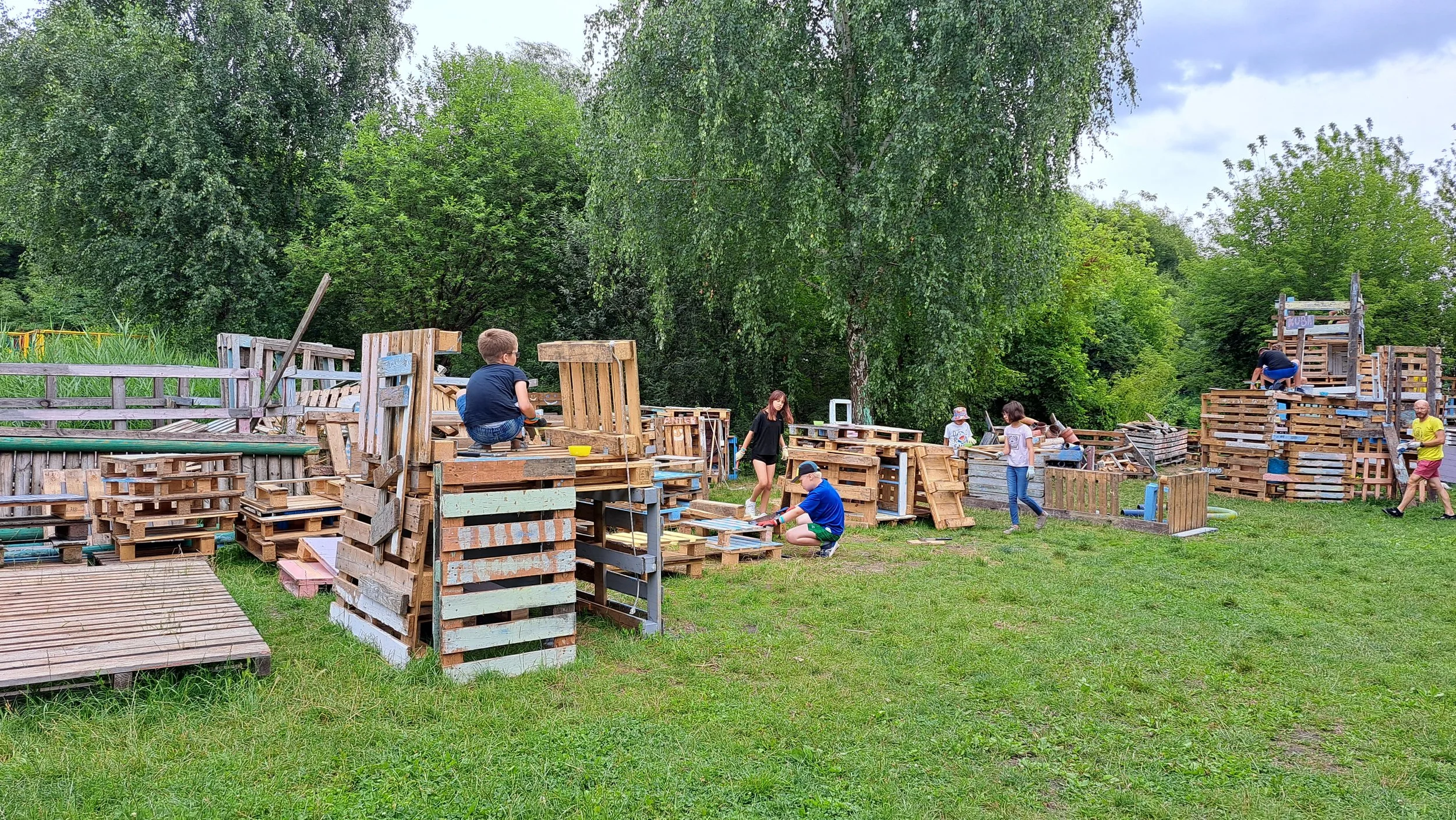
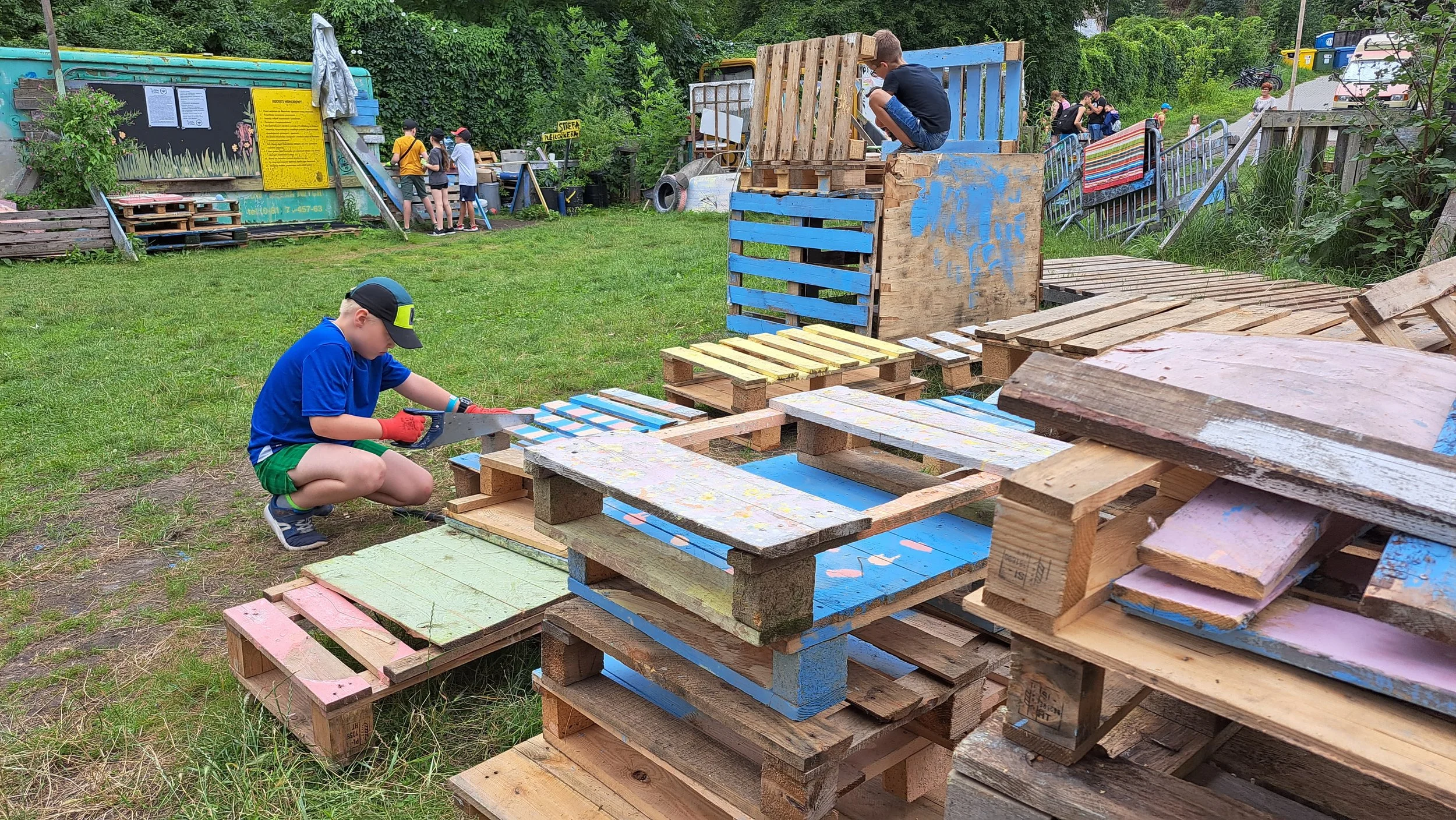
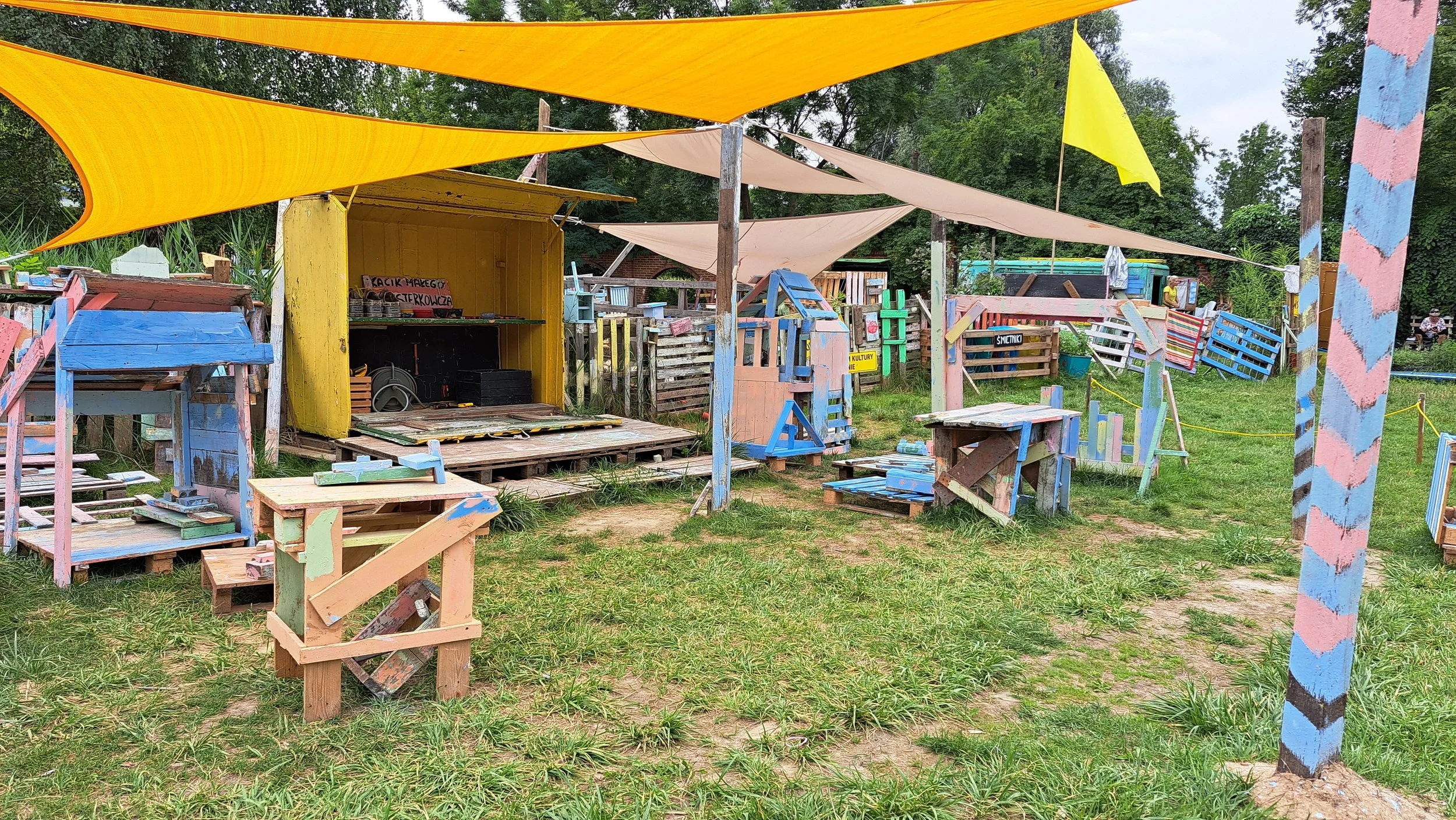
The idea of the Sanctuary is based on the definition of play as free activities of children. Adults set up a Sanctuary, but it is children who shape it according to the rules of free play. Our goal is to separate an open space in the centre of the city and adapt it to creative, unconventional fun, focused on the development of social, cultural and manual ties and competences.
Wild Children Sanctuary is a place unique on a national scale. It was inspired by the idea of Adventure Playground, and is developing thanks to the support from the Civic Budget. It is a escape from the hustle and bustle of the city, the rigours of timetables and everyday tasks. A city within the city for children, where they decide for themselves what and how they do. It is here that social ties and attitudes are formed, practical skills, emotional and spatial intelligence are developed. Independence and self-esteem are growing.
Margarita Hamatsu
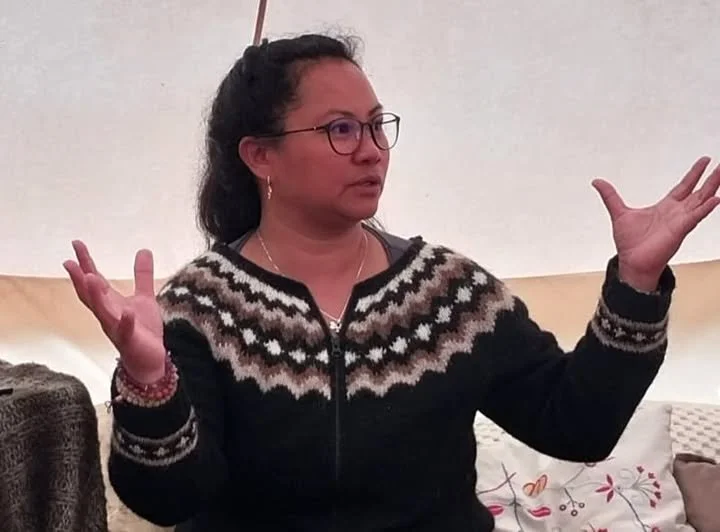
Margarita’s journey is rooted in her passion for education, sustainability, languages, cultures, and the well-being of society. She holds a master’s degree in Educational Science with a specialization in Education for Sustainability from the University of Iceland, along with a degree in International Studies in Education. She is also a certified Life Coach and a trained facilitator with the Global Ecovillage Network, where she actively promotes holistic and regenerative practices.
Margarita currently serves as Project Manager for Outdoor and Nature-Based Education at Hjallastefnan Preschool in Selfoss, Iceland. She is the co-founder of Adventures for Students Iceland and Futureroots. Education, both dedicated to reimagining sustainability in education. These initiatives focus on empowering educators through capacity-building, well-being, and transformative training that integrates ecological, social, economic, and cultural dimensions into everyday teaching.
Her work emphasizes the power of confident, informed educators as catalysts for change, supporting them with tools, professional learning communities, and opportunities for deeper reflection and growth. Margarita also contributes her expertise as a member of the South Iceland education committee, run by the National Protection Agency. At the heart of her work is a commitment to environmental advocacy, community resilience, and meaningful human connection.