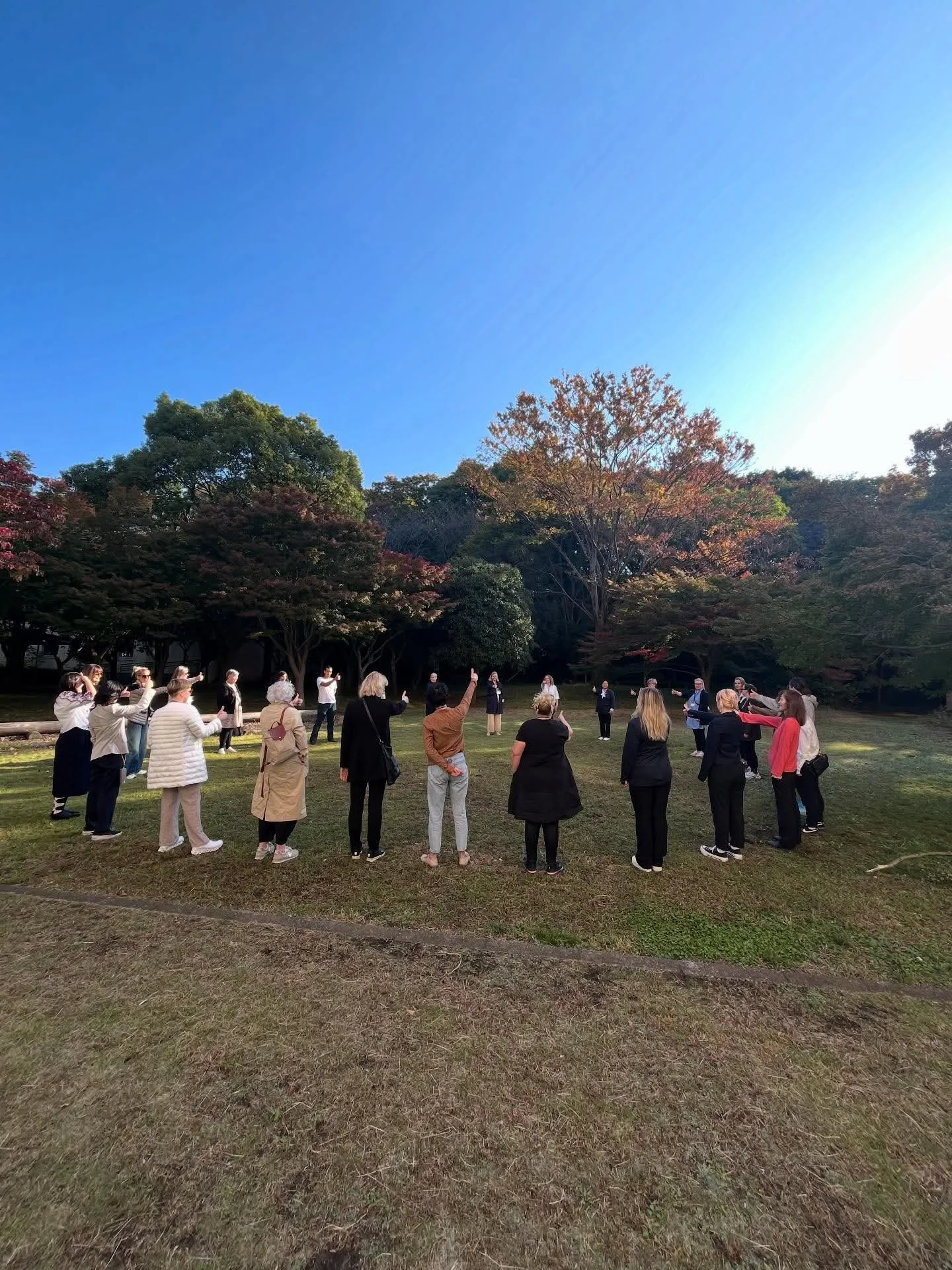
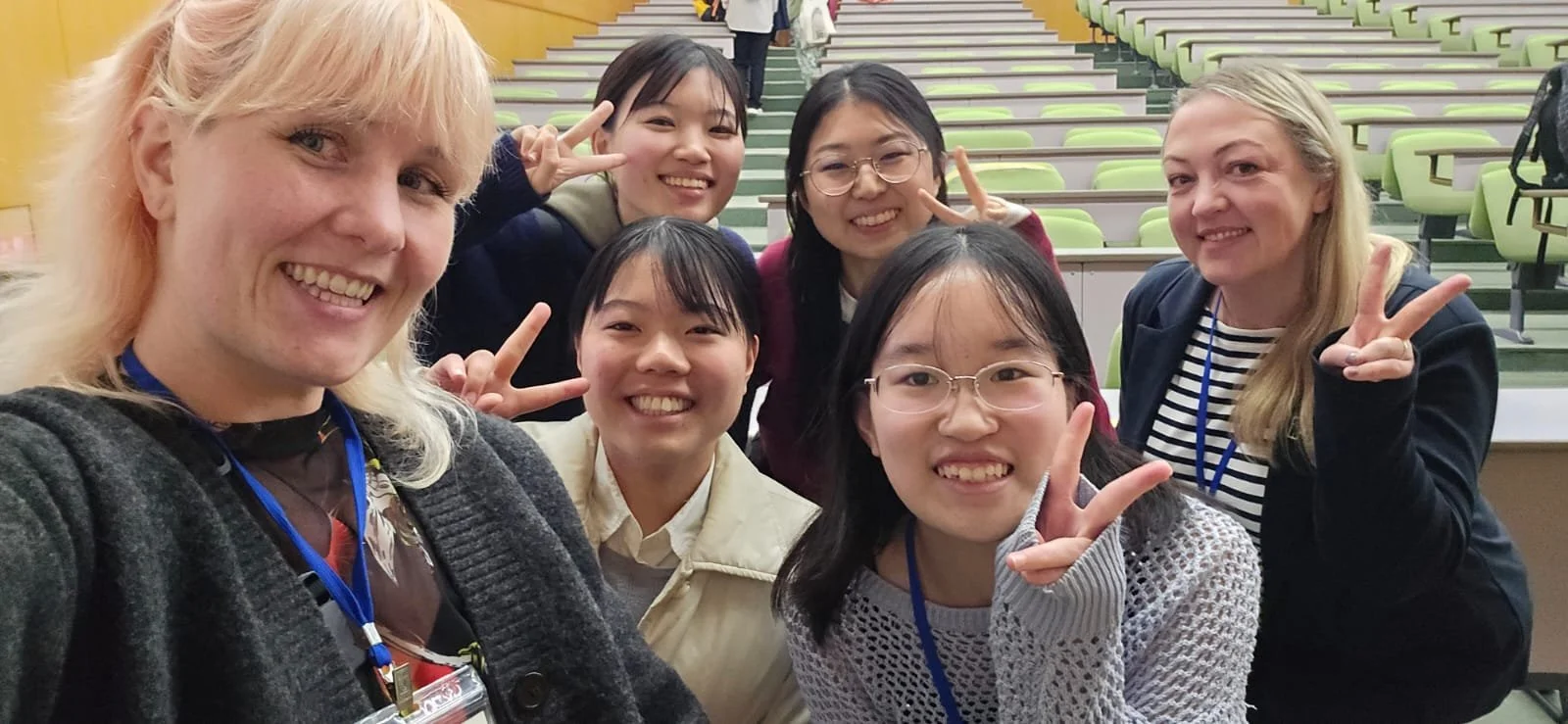
14 - 18 October 2026 Tokyo, Japan
Forum and Workshop
Self-Regulation, Self-Growth, and Gender Equality in Education Edition 2
A Cross-Cultural Learning Framework
Program
October 14 :
Opening & Orientation
October 15
Forum and Workshop – Musashino University - Faculty of Education
October 16
Forum and Workshop – Musashino University - Faculty of Education -
Visit to Musashino Preschool, Elementary School and Junior High School
October 17
Forum and Workshop - Musashino University
October 18
Forum and Workshop Tama City ( TBA )
October 19
Closing Session
Location:
Musashino University : https://www.musashino-u.ac.jp/english/
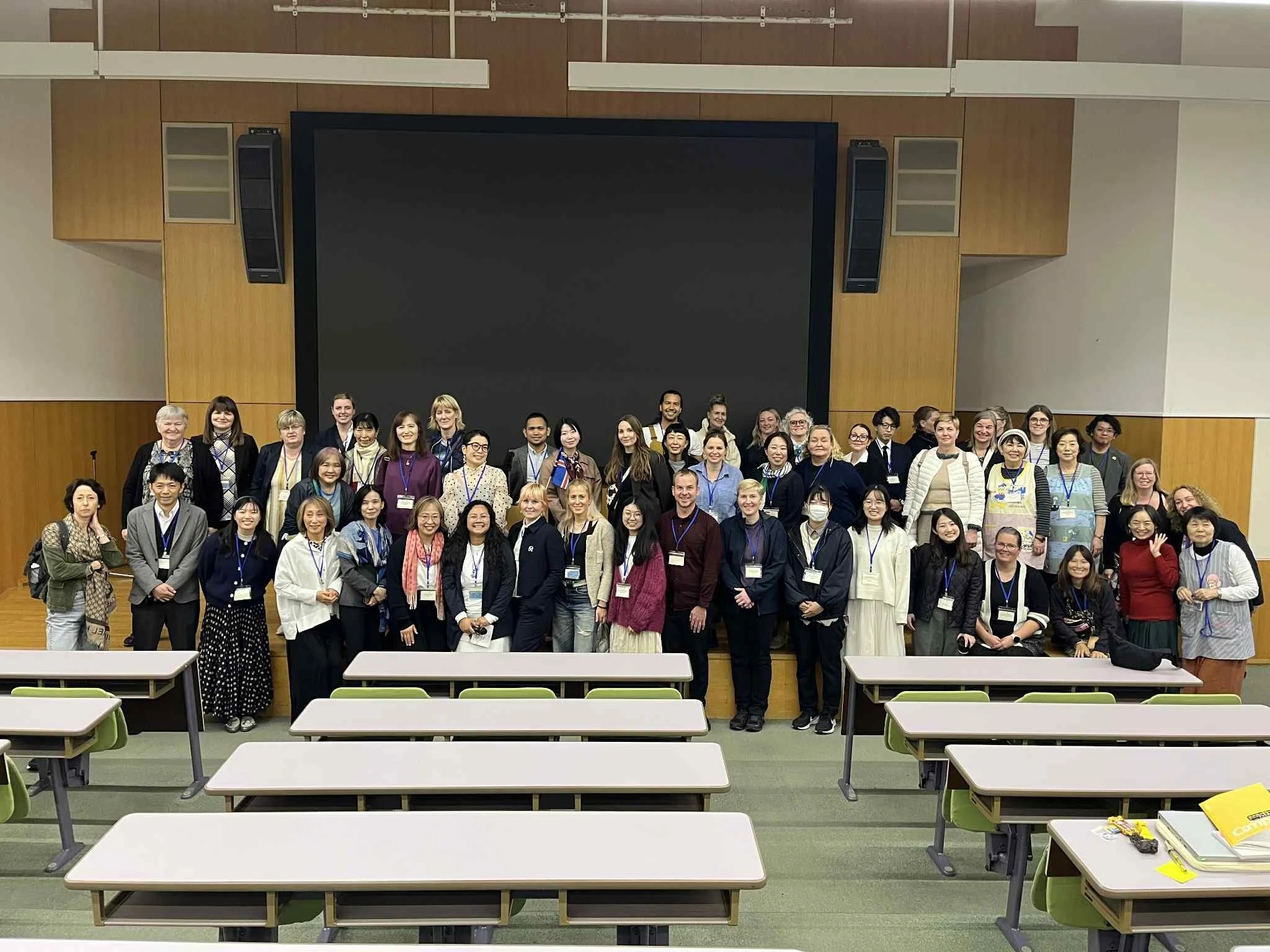
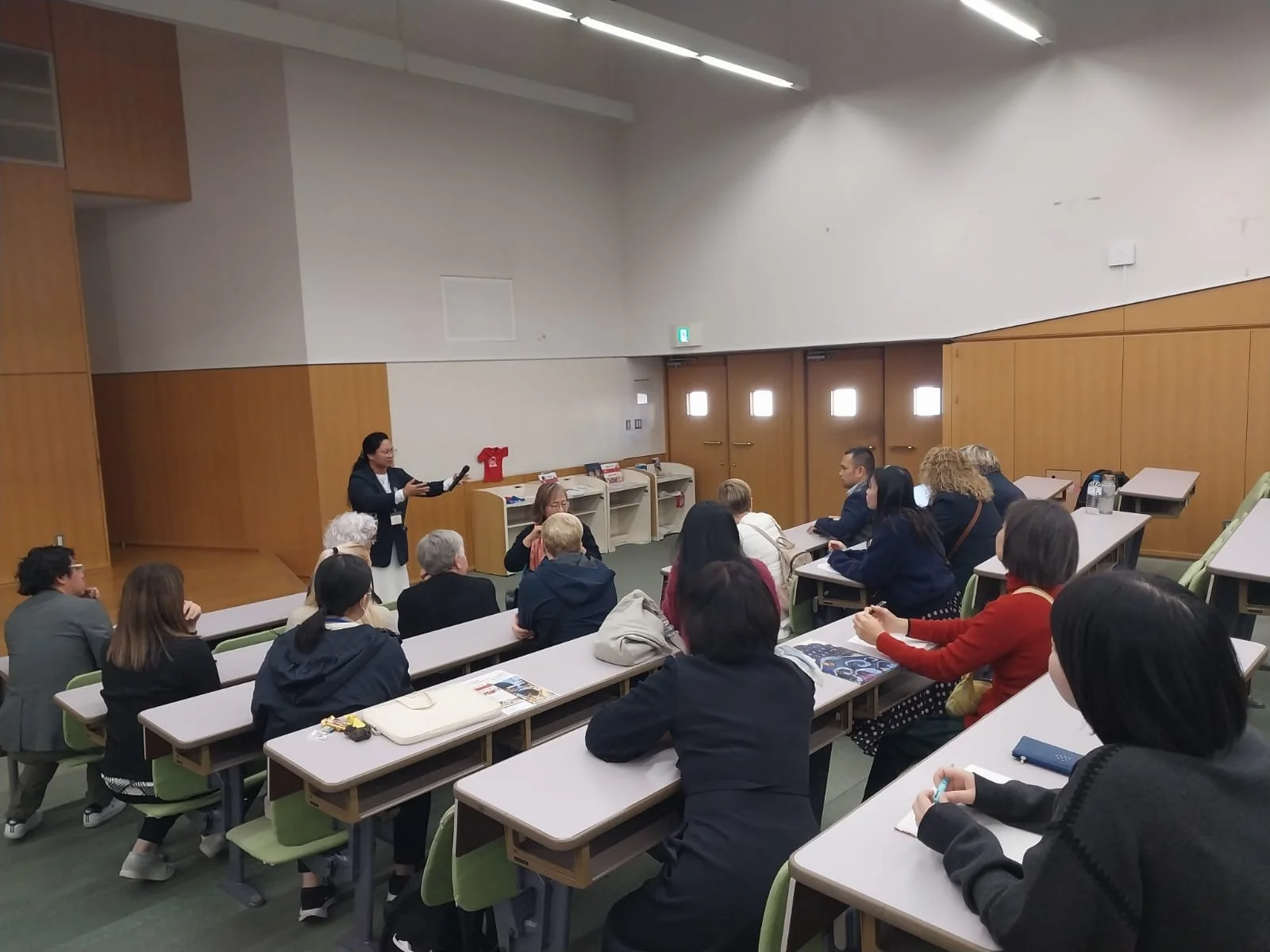
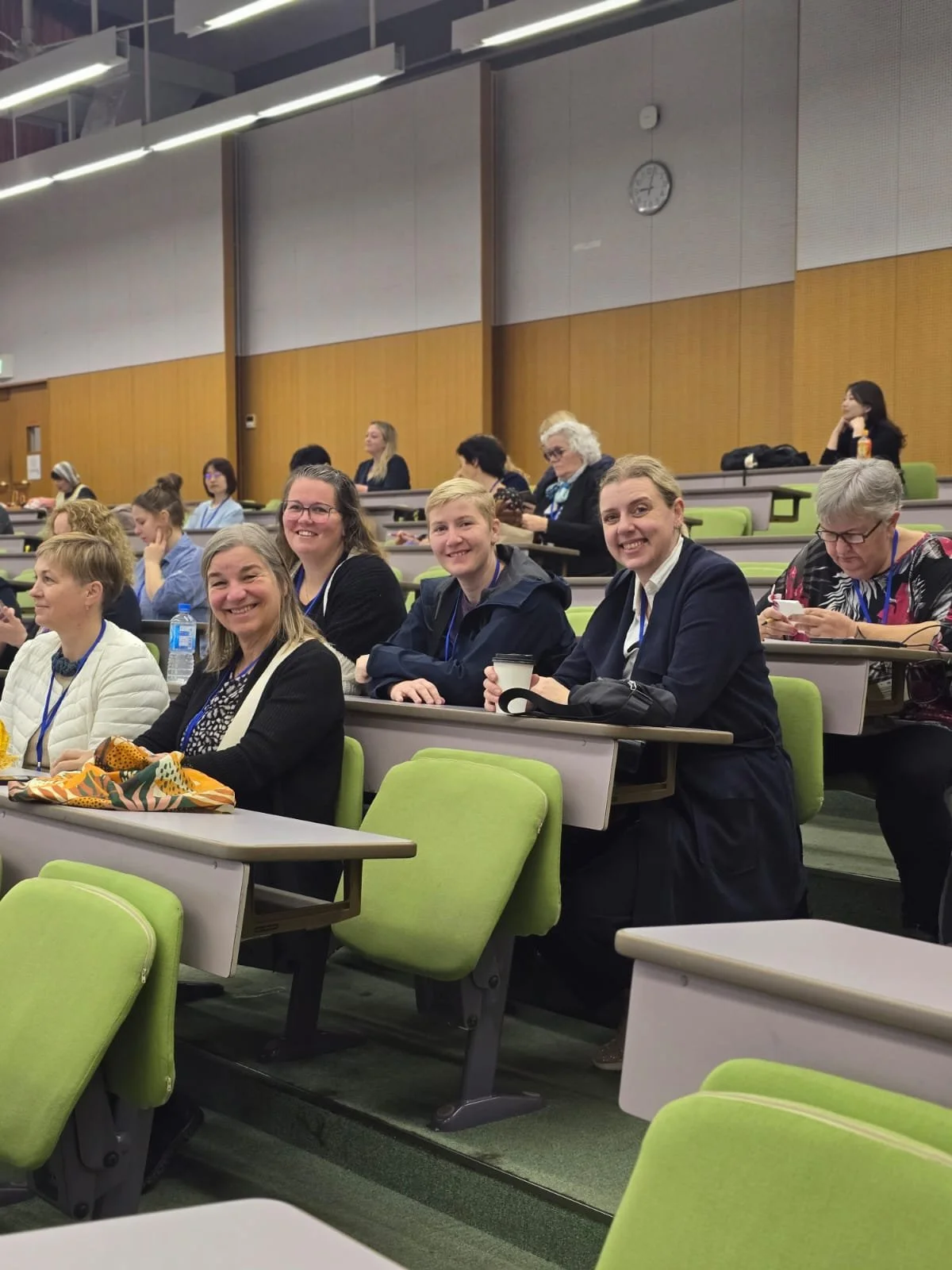
Join our second-year transformative program exploring how self-regulation, self-growth, and gender equality shape learning cultures across different educational and cultural contexts. This program is designed for educators, practitioners, and parents who wish to strengthen both personal development and inclusive educational practice.
What You’ll Gain
✔️ Deeper self-awareness and emotional regulation to support balanced, effective teaching
✔️ Practical tools to cultivate respectful, well-structured, and gender-equal learning environments
✔️ Cross-cultural perspectives on discipline, care, and responsibility in education
✔️ Strategies to support learners in becoming confident, empathetic, and socially responsible
By examining how self-regulation, gender equality, and cultural values interact within educational systems, the program offers a holistic framework that supports both individual growth and collective wellbeing—preparing educators to foster inclusive, resilient, and meaningful learning communities.
Be part of this incredible journey and shape the future of sustainable education in Japan and beyond. Join us this fall and become an empowered educator for a better tomorrow.
“The Japan journey was a deeply meaningful experience that brought together educators across cultures around gender equality, nature-based learning, and personal growth. Visiting schools from preschool to university and engaging in dialogue with Japanese teachers and students provided us with powerful insights into how respect, responsibility, and care are lived out in everyday education. We returned inspired, enriched, and grateful for the strong connections and shared vision for a more equal and compassionate future for children and families”
Pre-school Principal
2025 Participant

Isachuo Kindergarten
Isachuo Kindergarten believe that the experiences and values a child gains in early childhood shape their lifelong journey. Makoto Education, rooted in Shin Buddhism teachings, children learn the importance of gratitude and develop a deep appreciation for all that sustains, nurtures, and enhances our life. Isachuo also focuses on Creative Co-education, where teachers and children engage in meaningful activities together, encouraging imagination through creative arts, block-building, and hands-on learning. Rather than striving for perfection, the joy of self-expression and the sense of fulfillment that comes from the creative process are celebrated. This approach also promotes dialogue between children and teachers, fostering communication skills, mutual understanding, and critical thinking. Additionally, the school creates an environment where educators observe children’s interests, fostering curiosity and creativity through play. Themes, shaped by the children’s interests, are explored in depth with ample time and diverse approaches. The school actively involves parents and the local community. Children participate in agricultural experiences and excursions to local mountains. These activities help foster a deep connection to and appreciation for their hometown and nature.

Hjallastefnan Model
Founded by Margrét Pála Ólafsdóttir in 1989, the Hjalli Model has evolved into a beacon of educational excellence in Iceland. Today, as an independent scholarly organization, Hjalli Ltd operates16 kindergartens and elementary schools across the country since
Since 1989 an alternative, progressive pedagogy has been evolving in Iceland. At first, the concept was considered ultra-radical, but in recent years it has become more and more popular, and now 8% of all nursery children are in nursery schools run according to this particular pedagogy. This new model promotes a system where the children work in small single-sex groups for the most prominent part of the day. This serves to liberate them from traditional gender roles and stereotypical behavior and to make sure that girls and boys get equal attention and equal opportunities. The children receive training in all human qualities, and the focus is on empowering gender through compensation work, so they become independent and self-assertive individuals, but not least, so they gain a positive, tolerant and compassionate disposition towards themselves and others. Every day the children play in mixed settings where the focus is on mutual respect and positive collaboration.

The Embassy of Iceland in Japan serves as the official diplomatic mission representing Iceland in Japan. Located in Tokyo, the embassy fosters bilateral relations between the two countries, promoting cooperation in trade, culture, education, and sustainability. Iceland is known for its progressive policies on gender equality, environmental sustainability, and innovation, and the embassy actively works to strengthen these ties. It also provides consular services to Icelandic citizens in Japan and engages in promoting Iceland’s rich culture, values, and initiatives, including those related to climate action and gender equality.

MACHI-NO-HOIKUEN KODOMOEN
Musashino University
Musashino is a with the main campus in Ariake, Kōtō, Tokyo, and a second campus in Nishitōkyō. Musashino University was founded based on the ideals associated with the Hongwanji Jodo Shinshu School of Buddhism. Established in 1924 as Musashino Women's Academy (Musashino Joshi Gakuin) by Junjiro Takakusu (1866–1945), an internationally known Buddhist scholar. The institution was to be based on the principles of "Buddhist-based human education". Takakusu was a progressive thinker who stressed women's education and involvement in society.
MACHI-NO-HOIKUEN KODOMOEN is a community school centered around children, where families, educators, and local residents grow and learn together. The school believe in embracing differences while fostering unity, creating as pace where children and adults thrive side by side. Beyond the school, the city itself is a place of learning, filled with people, culture, and experiences that shape a child's growth.

Matsuda Kozue Ph.D.
Department of Early Childhood Education, Faculty of Education,
Musashino University Associate Professor
Graduated from the Department of Child Studies, Faculty of Home Economics, Ochanomizu University, and gained experience working in both private and public kindergartens. She later completed a doctoral program in Human Developmental Sciences at the Graduate School of Ochanomizu University, specializing in Childcare and Child Studies. Her expertise includes child studies, early childhood education, and international childcare.

María Ösp Ómardóttir
Hjallastefnan Preschool Director
María is a preschool director, primary school teacher, and a mother of five children. She excels at imagining innovative solutions for situations that have remained unchanged for a long time and brings a playful approach to both her professional and personal life. Passionate about adapting society to better meet the needs of parents and young children, María is dedicated to creative work with families, always seeking fresh, inspiring ways to support and uplift them
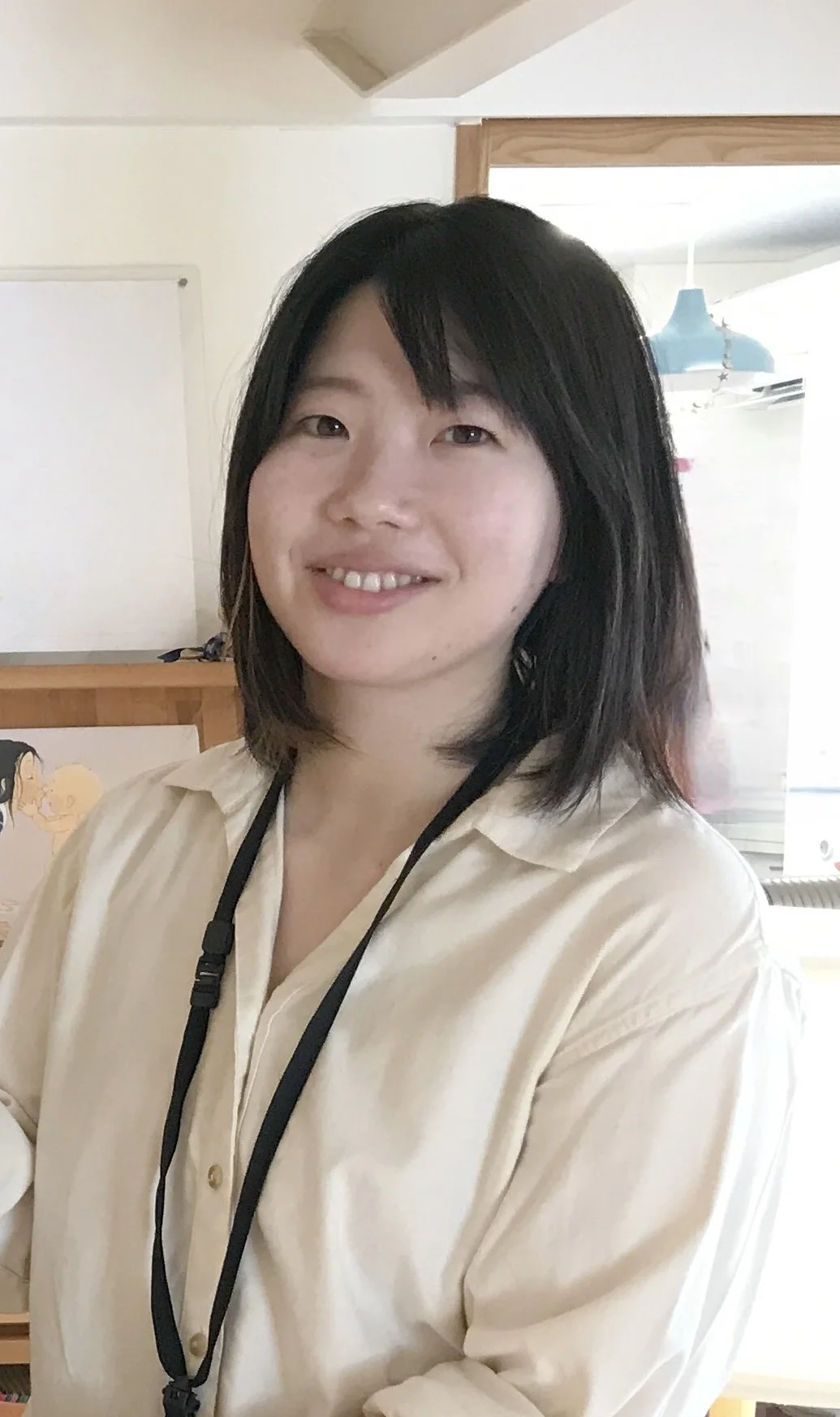
Sakumoto Nayuta
Isachuo Preschool Vice Principal and ICT Advisor
Professionally, Nayuta serves as the vice principal at Isachuo Kindergarten in Yamaguchi, Japan. The school is a Buddhist institution and offers Project-Based Learning (PBL) education, influenced by the Reggio Approach. She also conducts training sessions for teachers, both within and outside the institution, as an instructor on using digital tools for learning that help children express themselves and gain new perspectives.

Ragnar Þorvarðarsson
Deputy Head of Mission Embassy of Iceland Tokyo
The Embassy of Iceland in Japan serves as the official diplomatic mission representing Iceland in Japan. Located in Tokyo, the embassy fosters bilateral relations between the two countries, promoting cooperation in areas such as trade, culture, education, and sustainability. Iceland is known for its progressive policies on gender equality, environmental sustainability, and innovation, and the embassy actively works to strengthen these ties. It also provides consular services to Icelandic citizens in Japan and engages in promoting Iceland’s rich culture, values, and initiatives, including those related to climate action and gender equality.

Higuchi Yukari
Educator and Practitioner
Yukari holds a degree from the Literature Department of Gakushuin University and furthered her studies in education at the University of Iceland . With 11 years of experience teaching in public high schools, she has developed a deep understanding of education and student engagement. Besides her regular teaching , she also leads a hiking club, fostering students’ appreciation for outdoor activities and experiential learning. She has a strong interest in UNESCO Schools and their commitment to global citizenship and sustainable education. In addition to her professional role, Yukari is a dedicated mother to two young children, aged five and three, balancing her passion for education with family life.

Koike Nozomi
Reporter
Nozomi has been a news reporter for Yomiuri News Paper for over ten years. She started her career in Nagano Prefecture, gaining experience across various fields before moving to the political department in Tokyo, where she covered government affairs and the Ministry of Education, Culture, Sports, Science, and Technology. She earned a Master’s degree in Political Science from Gakushuin University and studied abroad at the University of Iceland from 2012 to 2013. Nozomi is also a mother of two young children, ages two and zero years old.

Hamatsu Margarita
Educator and Practitioner
Margarita’s journey is rooted in her passion for education, sustainability, languages, cultures, and the well-being of society. She holds a master’s degree in Educational Science with a specialization in Education for Sustainability from the University of Iceland, along with a degree in International Studies in Education. She is also a certified Life Coach and a trained facilitator with the Global Ecovillage Network, where she actively promotes holistic and regenerative practices.
Margarita currently serves as Project Manager for Outdoor and Nature-Based Education at Hjallastefnan Preschool in Selfoss, Iceland. She is the co-founder of Adventures for Students Iceland and Futureroots. Education, both dedicated to reimagining sustainability in education. These initiatives focus on empowering educators through capacity-building, well-being, and transformative training that integrates ecological, social, economic, and cultural dimensions into everyday teaching.
Her work emphasizes the power of confident, informed educators as catalysts for change, supporting them with tools, professional learning communities, and opportunities for deeper reflection and growth. Margarita also contributes her expertise as a member of the South Iceland education committee, run by the National Protection Agency. At the heart of her work is a commitment to environmental advocacy, community resilience, and meaningful human connection.
Testimonials
“The Japan journey was a deeply meaningful experience that brought together educators across cultures around gender equality, nature-based learning, and personal growth. Visiting schools from preschool to university and engaging in dialogue with Japanese teachers and students provided us with powerful insights into how respect, responsibility, and care are lived out in everyday education. We returned inspired, enriched, and grateful for the strong connections and shared vision for a more equal and compassionate future for children and families.
Pre-School Principal
“Spending several days with local people, surrounded by the colors of autumn, was a truly magnificent experience. In Japan, people are guided by a deep respect for life itself. From an early age, they are raised to show gratitude for everything that comes from life and makes their own lives possible. They give thanks before meals, express appreciation for even the smallest acts of help, and treat objects and their environment with care — because everything exists through life and because of life.
To witness this way of being in practice, and to be met by smiling, warm-hearted people, was deeply moving. “Arigatō gozaimasu” means “thank you,” but it also carries the deeper sense that “life is not easy — we are in this together.” Repeated again and again, it becomes a lifeline of connection between people.
As beautiful as this culture of respect is, there is sometimes less physical closeness, such as hugs or gentle touch. That is why it was especially meaningful to see Japanese women embrace one another at the end of the conference in Tokyo, and to be able to offer hugs to the people in Akita as an expression of gratitude. The Icelandic spirit of warmth and affection proved to be beautifully contagious.
Maria and Tinna are deeply grateful to Margarita, Aya, and everyone who made this journey possible. The experiences and connections we shared will stay with us for a long time. We look forward to continuing this cross-cultural collaboration in the spirit of greater equality, compassion, and wellbeing for children and families.”
Hjallastefna Árbær