From Iceland to Japan:
A Journey of Equality, Nature and Educational Renewal
Margarita Hamatsu and Aya Arakaki | January 2026
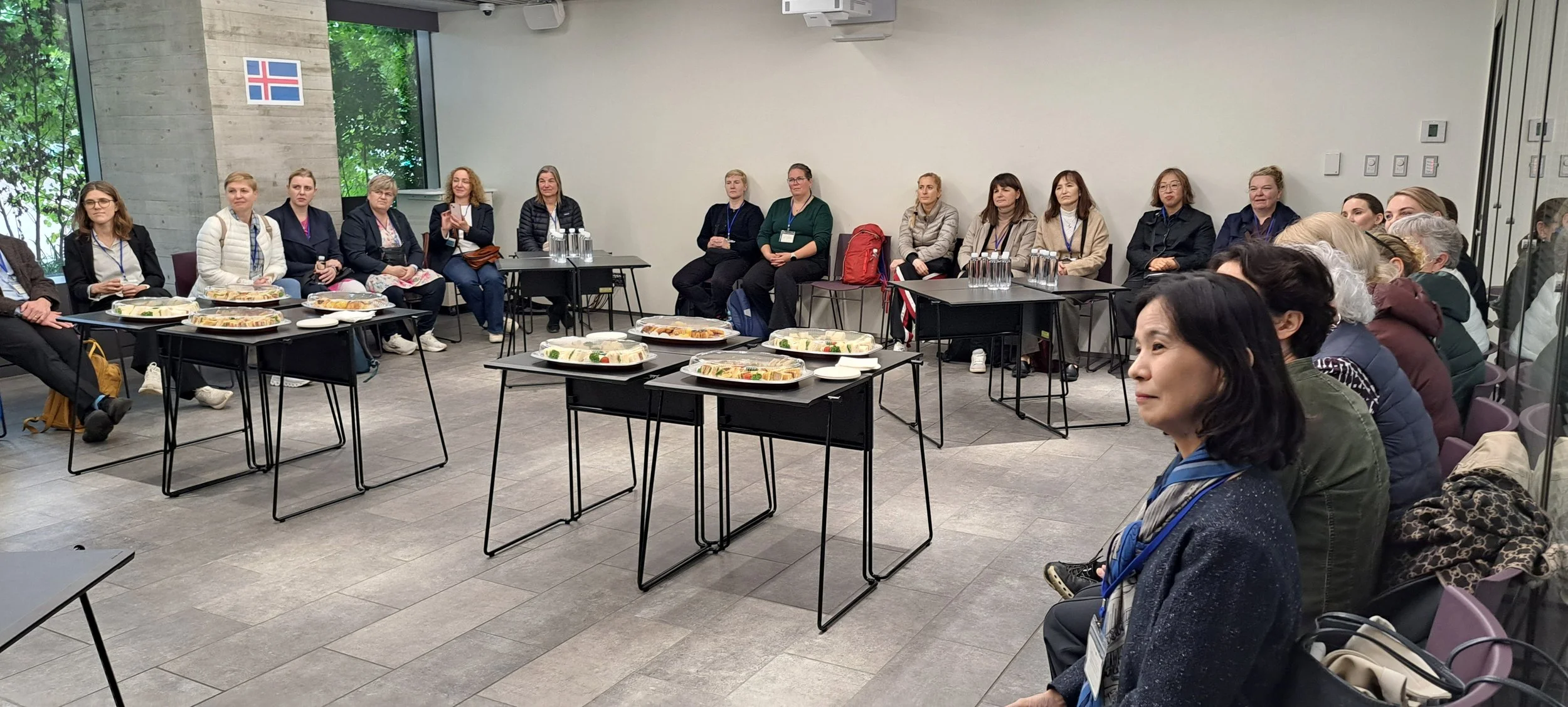
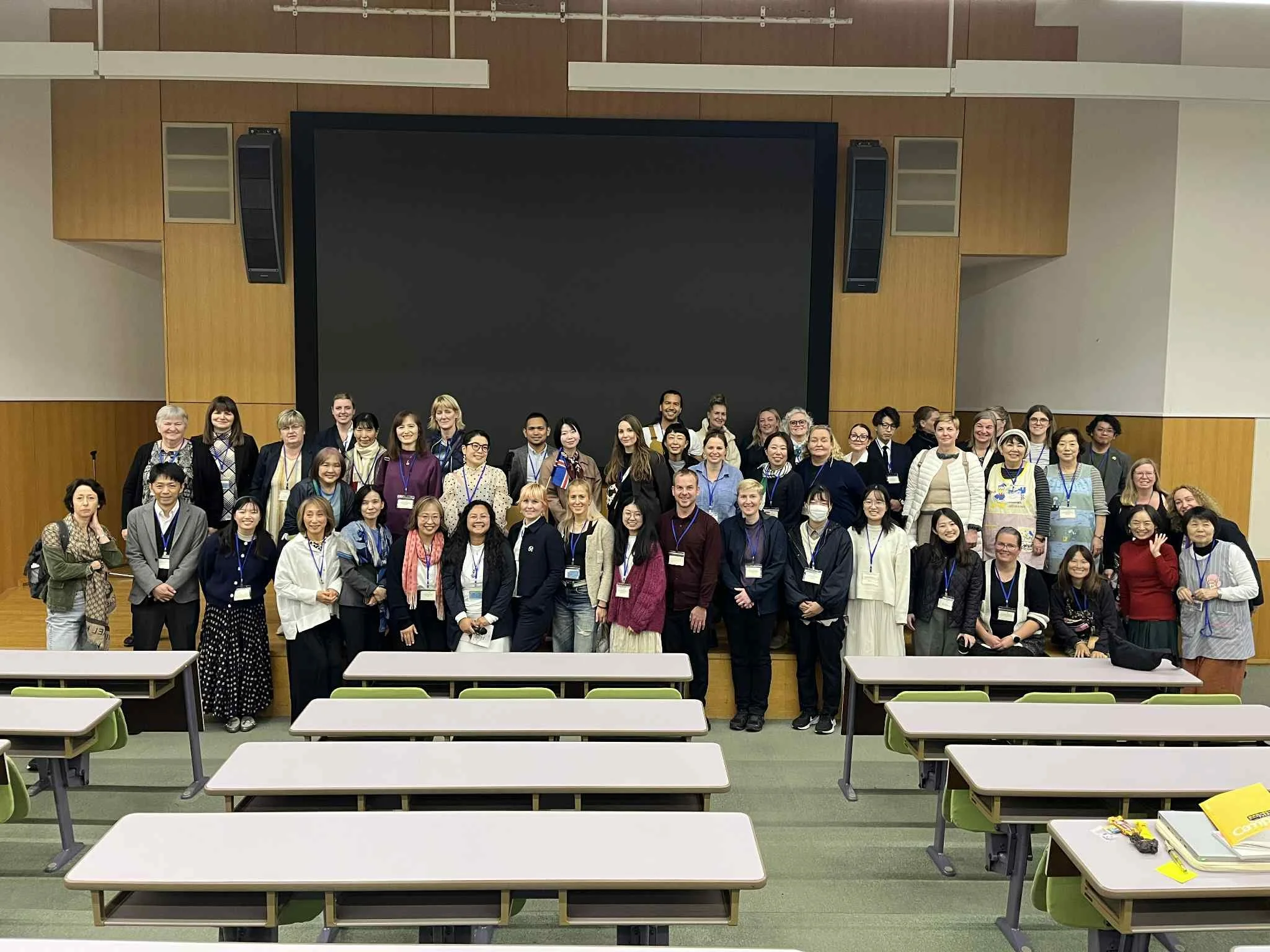
From 5–10 November 2025, around 30 Icelandic educators from across the country and from all levels of the education system took part in the journey. FutureRoots.education is a grassroots organisation that aims to create meaningful international learning environments for teachers rooted in sustainability, gender equality, wellbeing, and regenerative education.
FutureRoots.Education designs immersive learning journeys that connect educators to schools, researchers, and communities across cultures. Rather than focusing on theory alone, the organisation creates spaces where teachers learn through dialogue, lived experience and reflection — strengthening both professional skill and personal resilience.
Learning Across Cultures
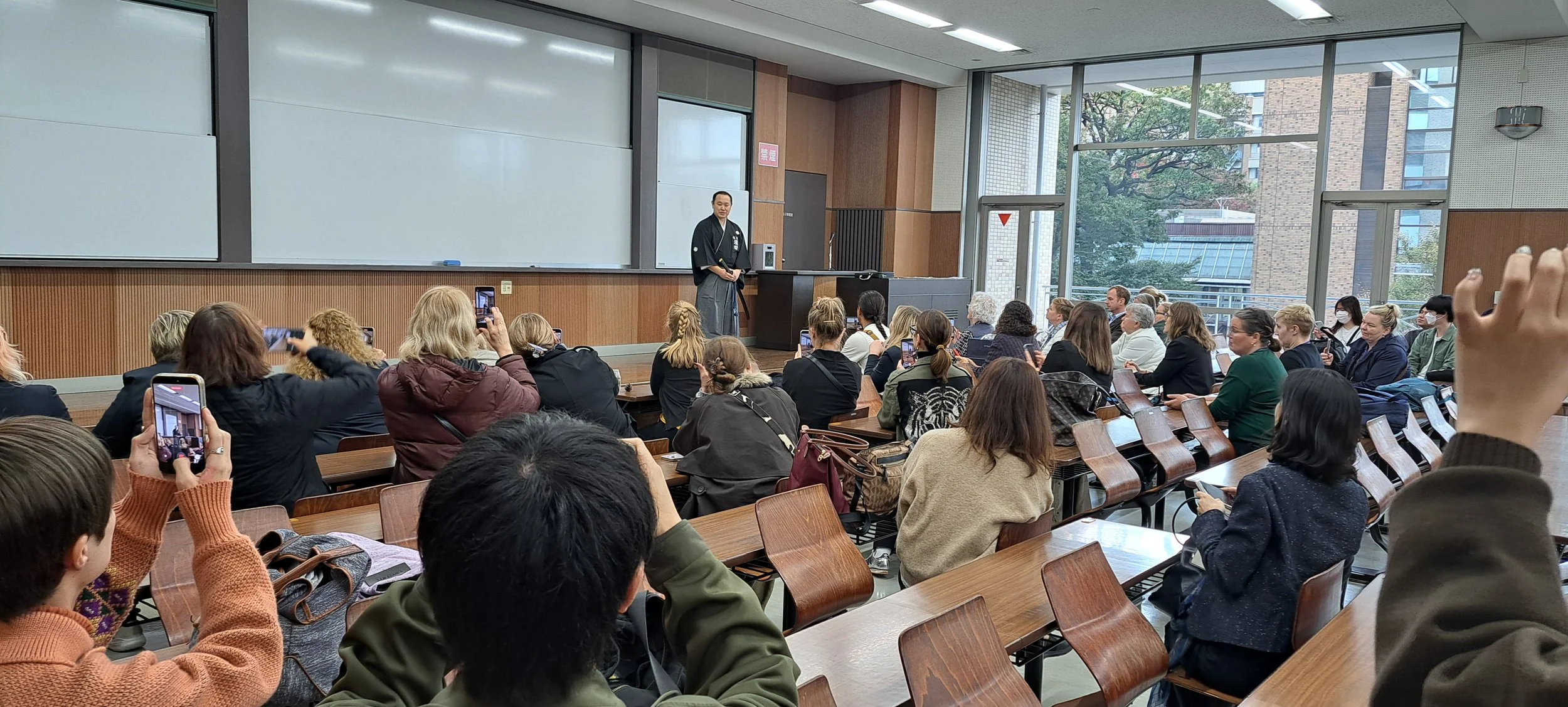
The group visited a wide range of Japanese educational institutions — from preschools to universities. Through classroom observations, conversations with teachers and students, and participation in daily school life, participants gained deep insight into how Japanese schools cultivate responsibility, independence and community.
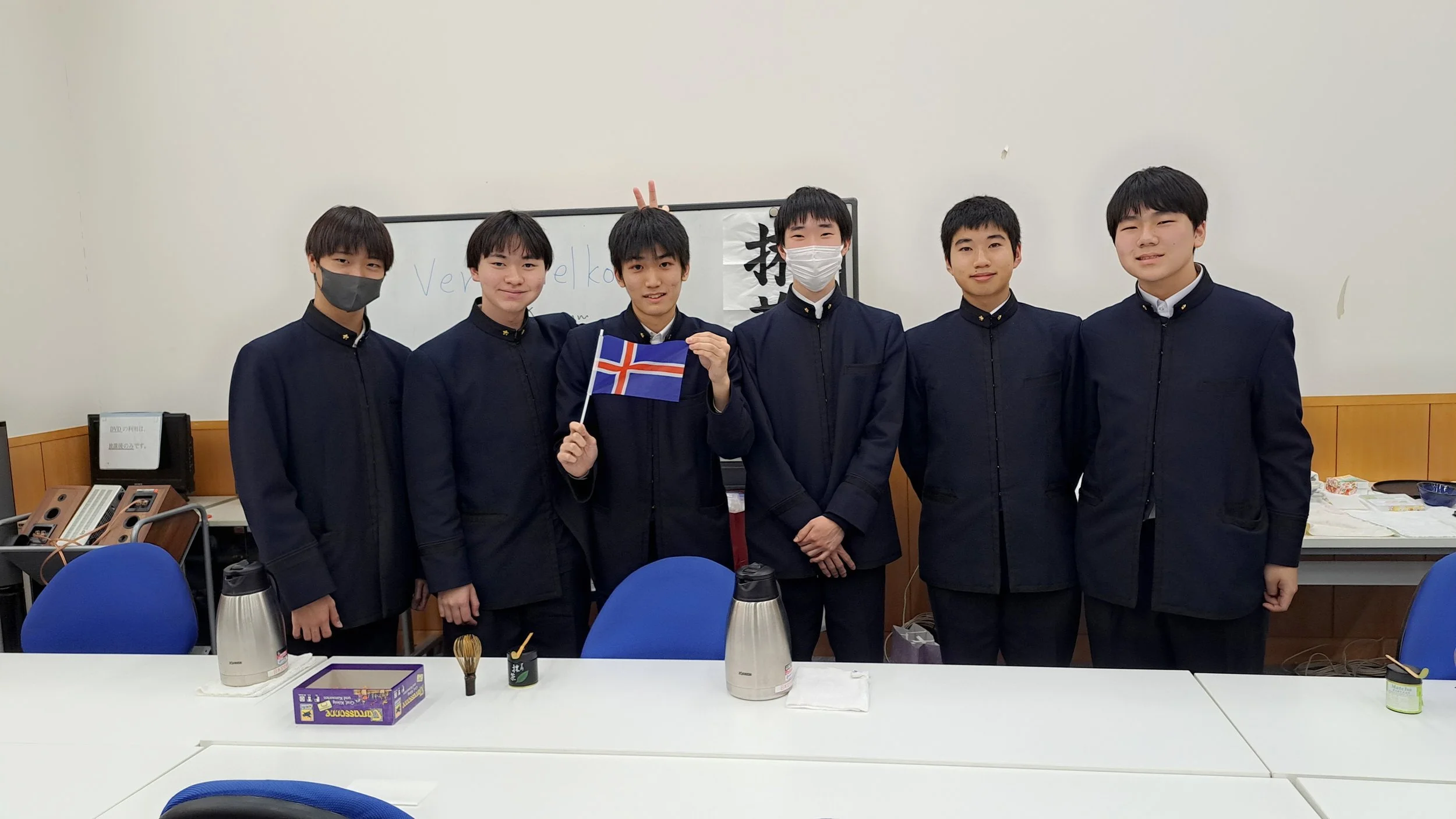
Students clean their classrooms and school buildings from an early age, learning to care for shared spaces. By around nine years old, many also learn to wash, hang and fold their own laundry — simple yet powerful practices that nurture autonomy and respect. In one boys’ school, students spoke openly about the freedom they experienced to learn at their own pace, while also sharing their wish for more opportunities to build friendships with girls. Participants repeatedly commented on the calm, respectful atmosphere in classrooms and the thoughtful way teachers engaged with children of all ages.
A Focus on Gender Equality, Nature, and Human Development
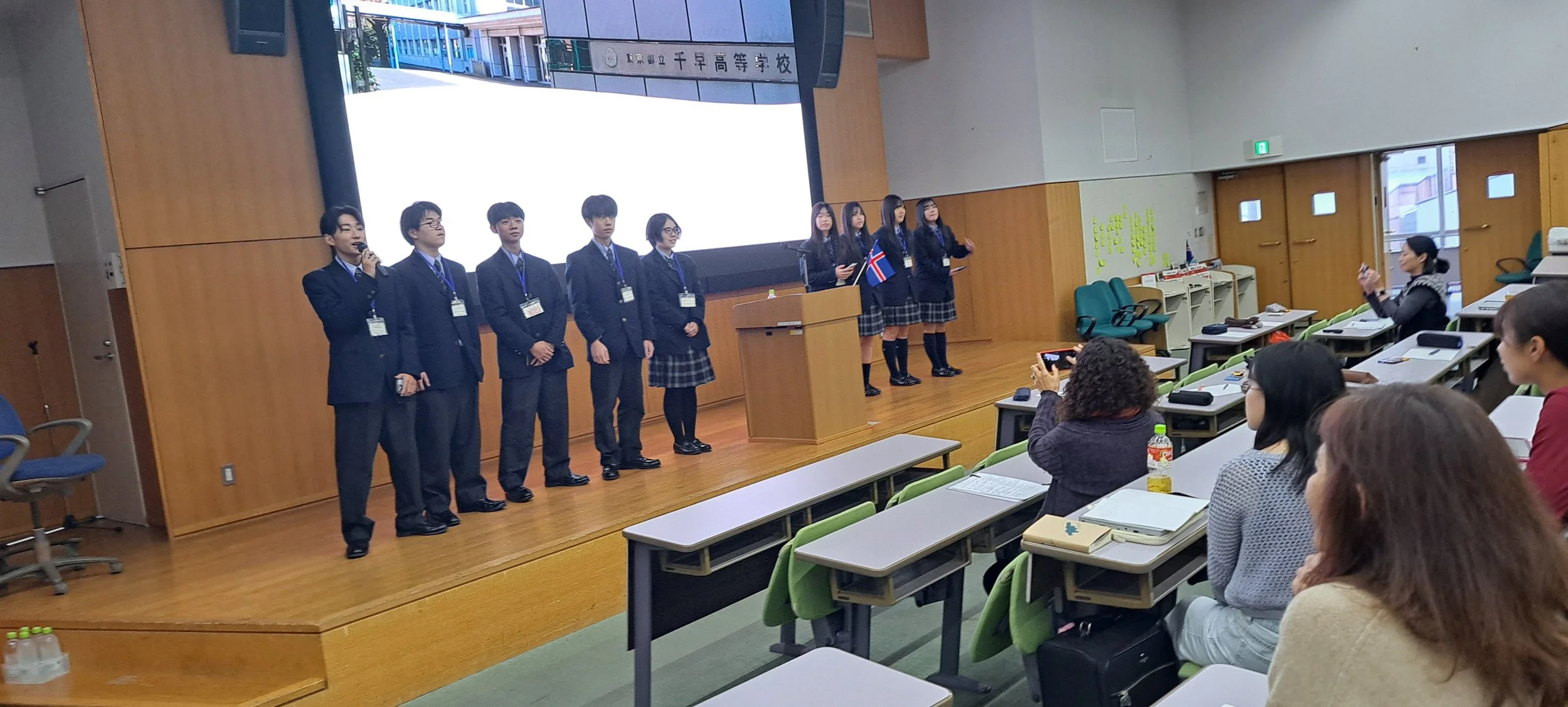
A two-day conference and series of workshops formed the heart of the programme, bringing together educators, researchers, diplomats, and students from both countries.
Speakers included:
Ragnar Þorvarðarson, Assistant to the Icelandic Ambassador in Tokyo
Hiroe Terada, PhD in education, teacher at Leikskólinn Austurborg
María Ösp Ómarsdóttir Hjallastefna Árbær Pre-School Director
Taisa Mattos, PhD from Gaia Education
Kimie Maeda, PhD teacher and publisher of Icelandic children’s literature in Japan
Kozue Matsuda, PhD in humanities
Nayuta Sakumoto, assistant preschool principal
Nozomi Koike, journalist and mother
Margarita Hamatsu, Outdoor Education Teacher at Hjallastefna Pre-school
9 Japanese high-school students who shared their lived experience of schooling
Their combined perspectives created a rich and nuanced dialogue on gender equality, outdoor learning, cultural values, children’s wellbeing, and the future of education.
At the same time, participants reflected that hearing an even wider range of voices on gender equality, including perspectives from multiple Icelandic and Japanese institutions and sectors, would further enrich future programmes. This insight has already been taken forward as a learning for future FutureRoots journeys.
What the Teachers Experienced
Participants completed a post-program evaluation, providing a powerful picture of the impact of the journey.
The group was primarily composed of preschool teachers and school teachers, with additional participants from policy, NGO, and other education-related roles.
The experience was rated 100% positive:
68% described it as very valuable
32% as valuable
Not a single participant rated the experience negatively.
What They Learned
Teachers described learning across four interconnected areas:
1. Simplicity and Nature in Learning
Many were deeply inspired by how little material was needed for meaningful learning:
“I learned that good learning doesn’t require a lot of equipment. The simplicity of children’s play was beautiful — and they were clearly happy.”
2. Cultural Perspective
Participants gained a deeper understanding of both Japan and themselves:
“Children are children all over the world.”
“Seeing how people in Asia live and learn opened my mind.”
3. Gender Equality and Social Sustainability
Participants rated their increased understanding of gender equality and social sustainability in daily school life highly (average scores above 4.3 out of 5). Many reflected on the situation of women in Japan and felt both gratitude for Icelandic gender culture and a sense of responsibility to contribute globally.
4. Children’s Responsibility and Independence
This was one of the strongest learning areas. 95% said the programme changed how they think about children’s responsibility:
“When children are given responsibility, they learn respect.”
“Children are capable of much more than we give them credit for.”
“We need to trust them and step back so they can step up.”
5. Personal and Professional Growth
Every participant reported that the programme helped them reflect more deeply on themselves as educators and supported their personal growth.
The strongest areas of growth were:
Motivation
Confidence as an educator
Sense of purpose
Reflection on values
As one teacher wrote:
“I now understand that nature, equality and sustainability cannot exist without each other. This experience changed how I see myself — both as a professional and as a human being.”
Why It Worked
Participants highlighted the quality of the school visits, the gender equality forum, dialogue with Japanese students and the safe, respectful learning environment created by the facilitators. The programme was praised for its strong organisation, thoughtful pacing and deep, meaningful content.
94.7% of participants said they would take part in future international learning programmes.
One teacher summed it up simply:
“This is something I will carry with me for the rest of my life.”
The journey to Japan was far more than a study trip. It became a living, breathing space for connection — between cultures, between educators, and between inner values and outer practice. Through school visits, dialogue, shared reflection and honest exchange, Icelandic and Japanese educators met not as observers, but as partners in learning.
What emerged was a deeper understanding that education is not only about curriculum or methods, but about how we relate to children, to each other, to society, and to the future we are shaping. Teachers returned home not only with new ideas, but with renewed clarity about their purpose, greater confidence in their role, and a stronger commitment to equality, sustainability and care.
By bringing together diverse voices, lived experience, and thoughtful facilitation, FutureRoots.Education created a learning environment where growth was both professional and profoundly human. The journey demonstrated what is possible when we dare to step beyond borders and learn under the same sun — with openness, humility and hope.